Dietary Fiber Explained: Food Choices That Add Up
Find dietary fiber in familiar foods and read the label without confusing a daily reference with a personal prescription. Build variety gradually through manageable meal changes.
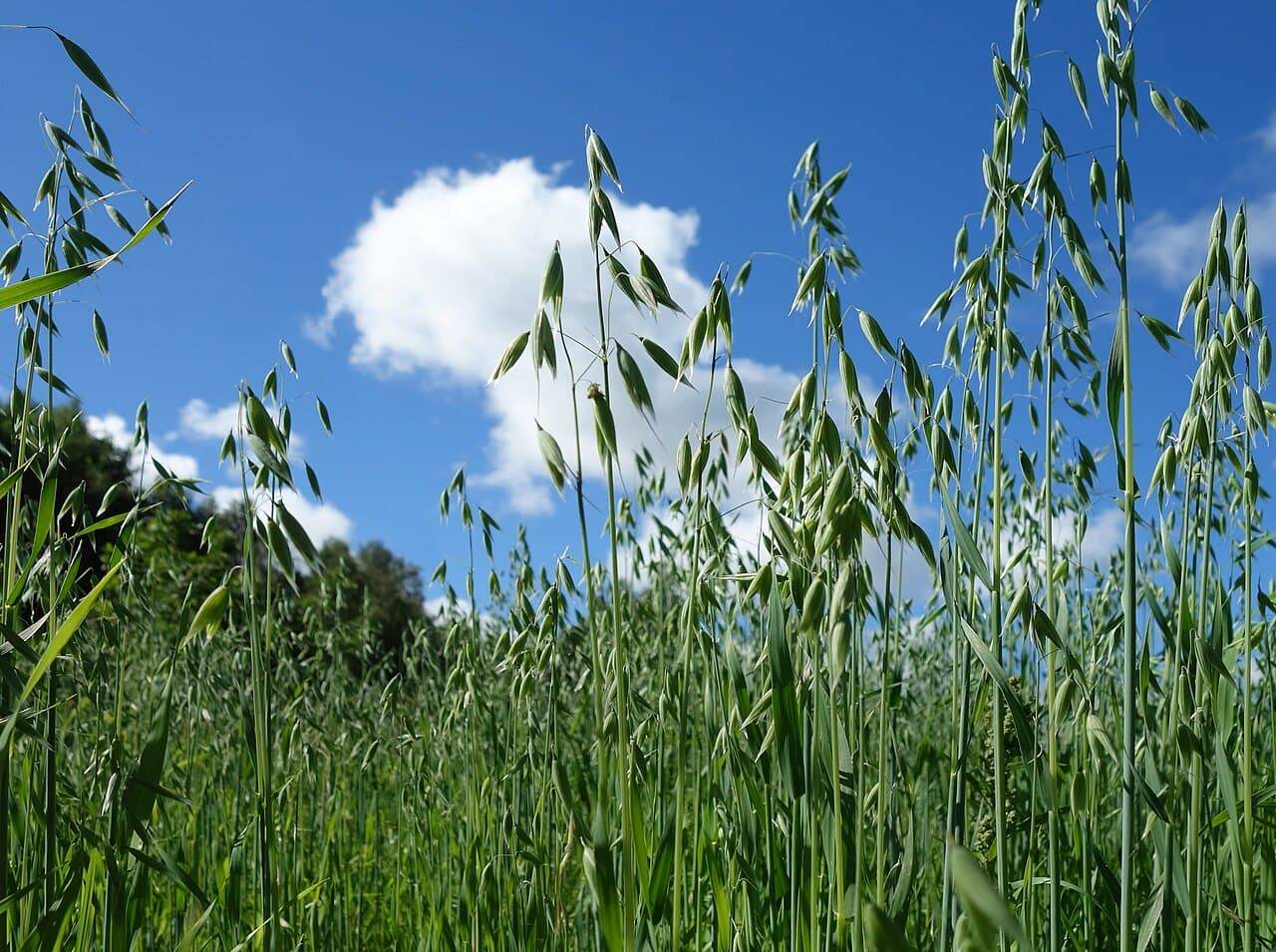
Dietary fiber is easier to understand through ordinary foods than through a list of products promising to transform your digestion. Beans, lentils, oats, fruit, vegetables, nuts and whole-grain foods can all contribute. The practical task is to build a varied pattern that fits your needs and preferences, rather than searching for one ingredient that does everything. Labels can help compare products, while individual health circumstances may require more specific advice.
Begin with food you already eat
Look at a few familiar meals and identify the plant foods already present. Perhaps breakfast includes oats, lunch contains beans or dinner includes vegetables. Starting from an existing habit makes a change easier to organize. You do not need to replace the entire menu before making one useful adjustment.
Choose a change that has a clear place in the meal: add a suitable fruit to breakfast, use lentils in a familiar soup or compare a whole-grain option with the bread you usually buy. These are examples, not a prescribed menu. Allergies, dietary restrictions, access and personal preferences all affect which choice makes sense.
Understand the broad idea of fiber
Dietary fiber includes components of foods that are not digested in the same way as many other carbohydrates. Different fibers have different properties. The everyday food label groups dietary fiber into a useful total, but that single number does not describe every feature of the food or every possible effect for every person.
Avoid using fiber as a synonym for healthy in all circumstances. A product's overall composition matters, and some people need individualized dietary adjustments. If you have a digestive condition or have been advised to follow a particular diet, consult the relevant clinician or dietitian before making substantial changes.
Find fiber across several food groups
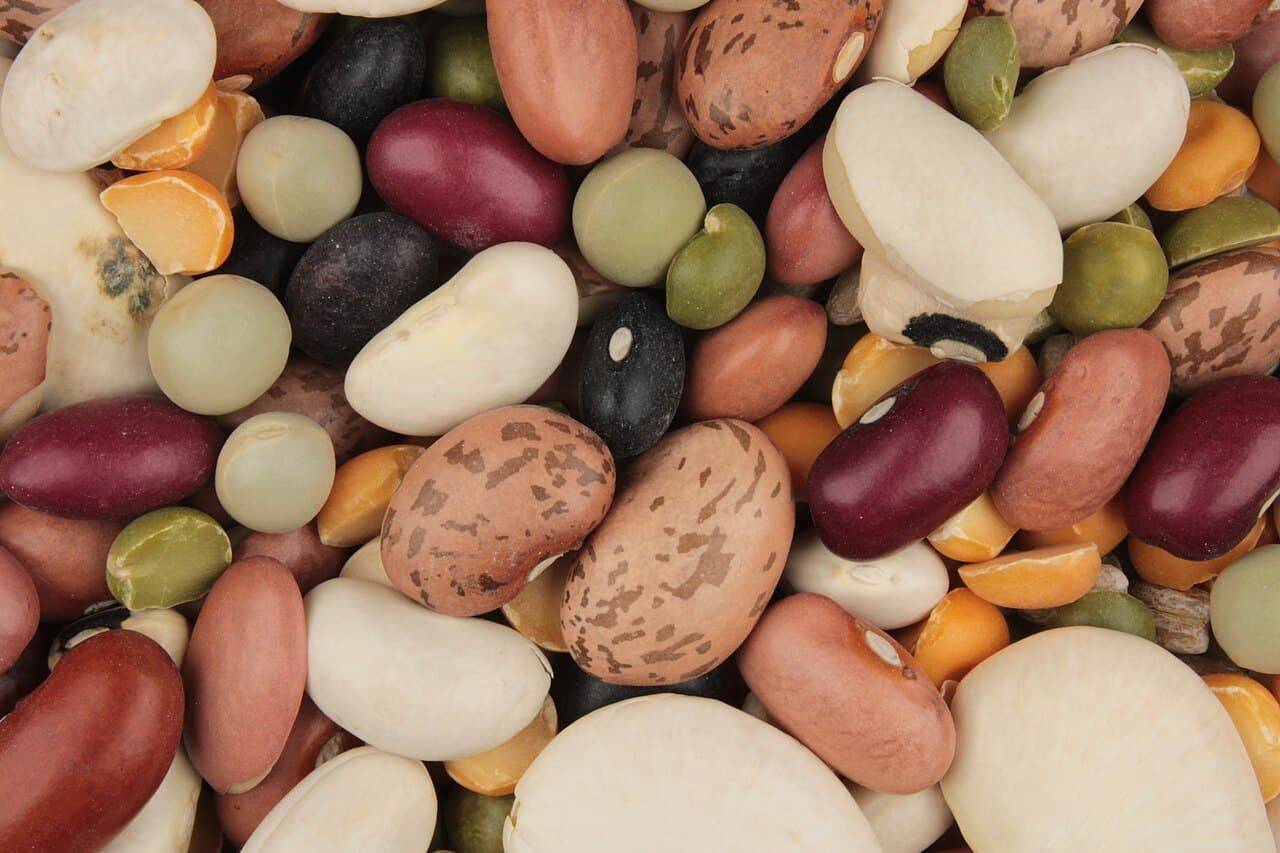
NIDDK lists whole grains, legumes, fruits, vegetables and nuts among fiber sources. This variety gives you several routes into a meal pattern. Someone who does not enjoy one type of bean may prefer lentils, oats or another suitable food rather than forcing a disliked ingredient into every meal.
Think in combinations. A bowl can include a grain, vegetables and a legume; a simple breakfast can combine oats and fruit. The aim is to make the food enjoyable and practical. A plan that depends on ingredients you cannot obtain or preparation you rarely have time for is unlikely to remain useful.
Read grams in relation to the serving
On a US Nutrition Facts label, dietary fiber is listed in grams and as a percent Daily Value. The FDA identifies 28 grams as the Daily Value used on the general label. This is a labeling reference; individual requirements can differ. Do not treat the number as a diagnosis or a tailored prescription.
Check how much food the listed amount describes. Comparing two packages without checking their serving sizes can give a misleading impression. Our serving-size and portion-size guide explains the distinction. If you use a different amount, the fiber and other nutrient quantities need to be interpreted accordingly.
Make changes gradually
NIDDK advises adding fiber a little at a time so the body can adjust. A gradual approach also helps you understand which foods fit your routine and preferences. There is no advantage in turning an ordinary meal into an abrupt challenge involving several unfamiliar high-fiber additions at once.
Consider fluid intake alongside dietary changes and follow any medical instructions that apply to you. General encouragement to drink does not override a prescribed fluid restriction. If you experience persistent symptoms or are unsure about the appropriate change, seek advice rather than continuing to increase an ingredient because it has a favorable reputation.
Compare products without relying on the front label
A prominent claim or appealing package color cannot replace the nutrition panel and ingredient information. Check the actual fiber quantity, serving size and other features relevant to your needs. Two products marketed with similar language may contribute differently to a meal. A plain familiar option may be just as useful as a specialized product.
Do not judge the whole day by one packaged food. Meals include combinations and amounts that a single claim cannot summarize. The purpose of label reading is to make a clearer decision, not to turn every purchase into a competition for the largest number in one row.
Keep the plan specific enough to repeat
Write down one change for the next shop and one place it fits in a meal. For example, buy a suitable can of beans for a planned lunch or keep oats available for a breakfast you already enjoy. Check storage and preparation instructions so the ingredient is usable when needed.
Review whether the change worked in practice. Did the food taste good? Was the portion suitable? Was preparation manageable? Adjust based on those answers rather than adding increasingly elaborate rules. Variety can grow through small repeatable choices, with professional guidance where health needs call for it.
Fiber is a useful part of understanding food, but it works within a broader eating pattern. Start with familiar sources, read the serving information and introduce changes gradually. A meal you can prepare and enjoy regularly is a stronger foundation than a short-lived attempt to maximize one nutrient at every opportunity.