Everyday Hydration: What Thirst, Food and Routine Can Tell You
Understand everyday hydration without a one-size-fits-all target. Explore water from drinks and food, practical access, changing needs and signs that deserve medical attention.
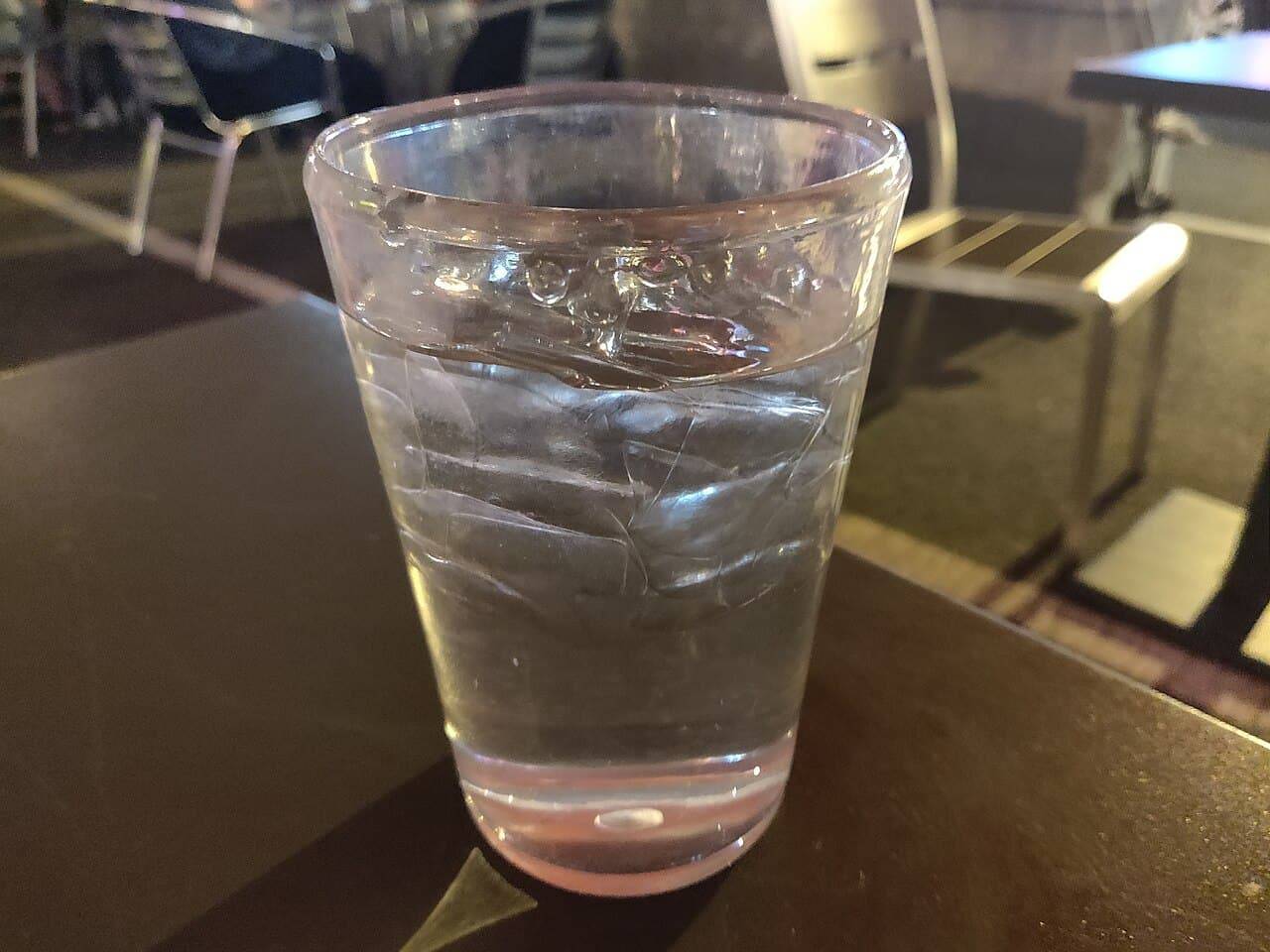
Everyday hydration is easier to manage when it is connected to ordinary meals, access to drinks and the conditions of the day. It is less useful to treat one large bottle or one universal number as proof that everyone's needs have been met. Water comes from several sources, and needs vary. A practical routine makes drinking possible while leaving room for medical advice when a person's circumstances require it.
Water intake includes more than plain water
The CDC explains that daily water intake comes from beverages and food, including water-rich fruit and vegetables. Plain water is a straightforward option, but it is not the only source contributing to the total. A discussion of hydration should therefore distinguish total water intake from the amount poured from a particular bottle.
This does not make every drink identical in its other properties. Drinks can contain sugar, caffeine, nutrients or alcohol, and those features matter separately. Read labels and consider the broader pattern instead of assuming a product becomes an ideal choice simply because it contains water. Hydration and the rest of a drink's composition are connected but distinct questions.
Needs change with the person and situation
CDC guidance notes variation with factors such as age, activity and pregnancy or breastfeeding status, with additional needs in situations including heat and illness. A single target presented without context can therefore be misleading. The useful starting point is the person's circumstances, not a comparison with a stranger's routine online.
If you have been given a fluid restriction or another medical instruction, follow that plan and ask your healthcare team about adjustments. Do not add large quantities of fluid because a general wellness article encourages it. Individual guidance exists precisely because everyday advice cannot account for every condition or treatment.
Make access the easy part
Look at when drinking becomes inconvenient. Perhaps a bottle is left at home, the available cup is always elsewhere or a long meeting passes without a break. Solve the access problem first. Keep an appropriate clean container where it is permitted and practical, and know where safe drinking water is available.
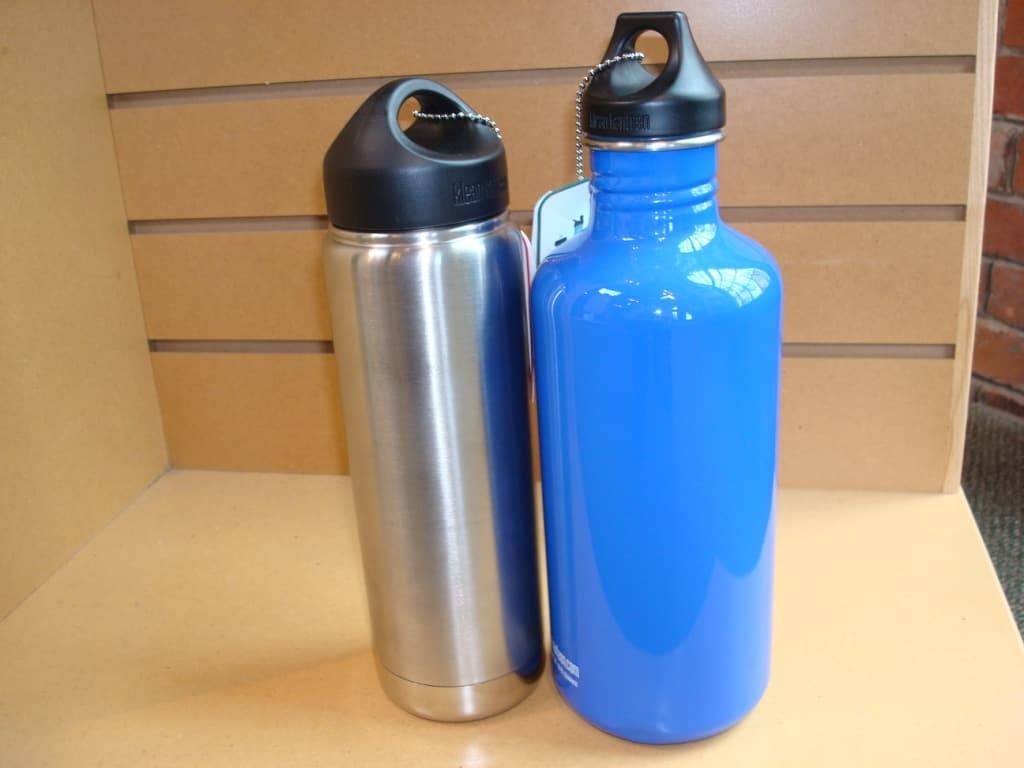
Choose equipment for its usefulness rather than its promises. A bottle does not need a motivational slogan or an exact hourly scale to be helpful. It needs to be suitable, cleanable and convenient for the setting. Follow the maker's cleaning instructions and avoid leaving old drinks in a container that is repeatedly topped up without proper care.
Use ordinary routines as reminders
Having a drink available with meals can be an easy cue. You might also check access before leaving for a journey or beginning an activity. These are organizational suggestions, not instructions to force a fixed quantity at every cue. The purpose is to reduce avoidable gaps when attention is elsewhere.
If you care for someone who depends on others for drinks, access needs more deliberate attention. The NHS highlights that some people may not recognize or act on how much they are drinking. Follow the person's care plan and seek professional advice about concerns rather than relying on a general reminder system alone.
Thirst is information, but context still matters
Notice thirst and respond appropriately, while recognizing that a routine should not depend on one signal in every circumstance. Age, illness, activity and care needs can complicate the picture. A general article cannot establish whether a particular person's intake is adequate from a description of one day.
The NHS lists signs such as thirst, dark urine, urinating less often and dizziness among possible dehydration symptoms. None should be used as a standalone home diagnosis. Persistent or concerning changes deserve appropriate medical advice, especially when illness or other risk factors are present.
Heat and illness need a more specific plan
A hot day, prolonged activity, fever, vomiting or diarrhea can change the situation. Do not assume an ordinary workday routine will automatically cover it. Use current official advice for the condition and seek help when needed. A pharmacist or clinician can advise about appropriate rehydration products when fluid loss is related to illness.
Avoid inventing a homemade treatment from a vague recollection of salt and sugar ratios. Follow the directions for a recommended product or professional guidance. Ordinary hydration habits and treatment of significant fluid loss are different levels of problem, and the latter may need more than simply carrying a larger water bottle.
Know when the question is no longer routine
Persistent dizziness on standing, markedly reduced urination or unusual drowsiness can require urgent assessment. Confusion, difficulty breathing or difficulty waking someone calls for emergency help. Use the appropriate local medical service; the NHS source explains these warning signs in its UK context. Do not delay care while trying to meet a personal drinking target.
For an ordinary day without such concerns, review the practical arrangement rather than searching for a perfect score. Are drinks available? Do meals and activities provide sensible opportunities? Has the weather or routine changed? These questions can reveal a simple obstacle without turning every glass into a measurement exercise.
Everyday hydration works best as a flexible habit supported by access and attention. Recognize water from food and drinks, account for changing circumstances and follow individual medical instructions. The aim is a routine that serves the person, with clear boundaries for when a health concern needs professional care.